SpareRoom US
- 4.3
- Rating
- 500.00K
- Installs
- Free
- Price

 Analysis by App-foxy
Finding a place to live is rarely just a matter of spotting a vacant room. You need to explain what you are looking for, judge whether a listing is genuine, arrange a conversation with strangers, and work out whether the arrangement will actually suit your daily life. I found SpareRoom US most useful when I treated it as the beginning of that process rather than as a complete renting service. It helps bring the search, the people involved, and the first conversations into one place, but the important decisions still depend on careful checking.
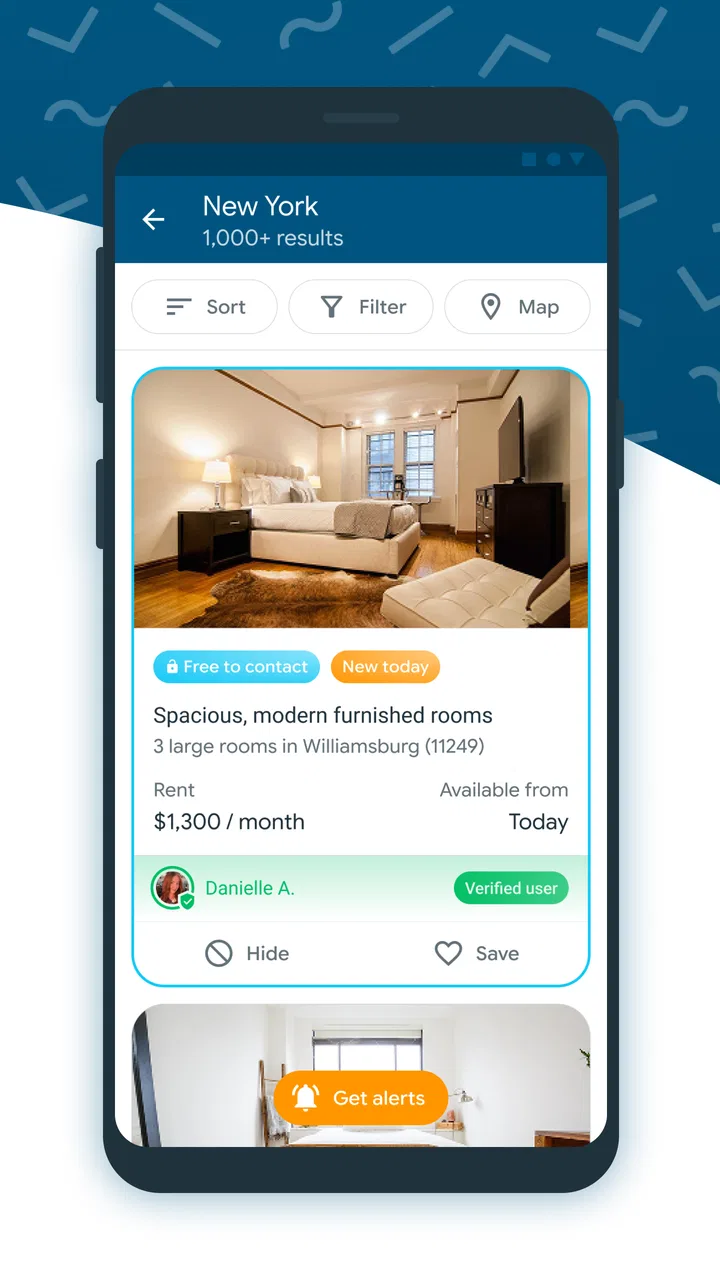
This free Lifestyle app from SpareRoom is designed around shared housing and rentals in the United States. You can use it to look for roommates, rooms, sublets, and other property rentals, which makes it relevant to several different starting situations. A person moving to a new city may need a room quickly, while an existing tenant may want someone to take over a space or join a household. Those are different needs, and the app is more useful when you know which one you are trying to solve before you begin.
From a vague housing need to a shortlist
My first step with any rental search is to turn “I need somewhere to live” into a practical brief. With this app, that means deciding whether I am searching for a room, a roommate, a sublet, or a broader rental opportunity. I also think about the parts that will affect everyday life: the neighborhood, commute, move-in timing, budget, and whether I want an established household or an empty property.
You May Also Like

 Blood Strike: 2.5 Anniversary
Blood Strike’s Loadouts Turn Every Drop Into a Tactical Gamble
A close look at Blood Strike’s custom loadouts: how fast access to signature weapons reshapes its battle royale rhythm, rewards preparation, and narrows the gap between fights.

 Pandora - Music & Podcasts
Pandora’s Music Is Easy to Start, but Harder to Recover
Pandora’s strength is its low-effort path from a seed to a station. Its weak spot is how much confidence it asks you to place in connection, setup, and quiet recovery.

 8 Ball Pool
 Is Built on Rivalries, Rematches, and Routine
A close look at the rivalries, rematches, shared routines, and unanswered safety questions that turn a quick pool match into a persistent mobile community.

 Samsung Music
’s Quiet Strength Is Playing What You Already Own
Its reach comes less from spectacle than from dependable access to a personal library. That simplicity is both the app’s strongest retention engine and its ceiling.

 AccuWeather: Weather Radar
AccuWeather Review: A Quick, Clear Forecast for Everyday Decisions
For everyday plans, the best forecast is the one you can understand quickly. AccuWeather makes rain timing, radar, and local conditions easy to act on, with a few trade-offs.

 Hill Climb Racing
Why Hill Climb Racing Still Turns Crashes Into One More Run
A tiny car, a bumpy hill and one more upgrade: Hill Climb Racing keeps resurfacing because its simple chaos makes every near-miss feel personal.
More From Our News Desk
View All News


That preparation matters because a large collection of listings can become distracting. A room that looks affordable may be inconvenient once transportation is considered. A sublet may be suitable for a temporary move but unsuitable if I need stability. A roommate search may offer more flexibility, yet it also introduces questions about habits, schedules, guests, cleaning, and privacy. SpareRoom US can help me start those conversations, but it cannot decide which compromise is sensible for me.
The app’s focus is narrower and more practical than a general social network. Instead of browsing unrelated posts, I am looking through housing-related opportunities and people connected to them. That makes it easier to keep my attention on the actual move. I can compare the basic shape of one option with another, then decide which listings deserve a message rather than reacting to every attractive photograph.
I would recommend writing a short introduction before contacting anyone. It should cover the essentials without revealing unnecessary personal information: the kind of room I want, my approximate timing, my routine, and what sort of household I would fit into. A thoughtful message is more useful than sending the same one-line request everywhere. It also gives the other person enough context to decide whether a conversation is worth having.
For someone already offering a room, the starting condition is reversed. The app can put that opportunity in front of people who are actively looking, rather than relying only on friends or a notice in a local place. That can widen the pool, but it also means handling more replies and separating serious candidates from people who have not read the details. Clear information in the listing becomes a form of time management.
Building a search that reflects real life
I found it helpful to separate non-negotiables from preferences. Location and move-in timing may be fixed, while furniture, floor level, or a particular style of building may be flexible. This prevents the search from becoming too narrow too early. It also makes later conversations more honest because I know which points I can compromise on.
One less obvious advantage of a room-focused service is that the household itself becomes part of the search. On a conventional property site, I might concentrate on the building and floor plan. Here, the people involved can be just as important as the physical space. That is valuable for shared accommodation, where a technically good room can still be a poor match if the routines and expectations clash.
At the same time, I would not use this app as my only source if I needed a professionally managed apartment, a formal leasing process, or a highly standardized application. A traditional property platform or a direct rental company may be better for those situations. SpareRoom US makes the people-and-room connection central, which is its strength, but that same focus may feel less suitable when I want a polished, institution-led transaction.
Moving from browsing to a serious shortlist
Once I have several possibilities, I stop judging them only by the headline details. I look for unanswered questions that could change the decision: who currently lives there, what the arrangement actually includes, how long the opportunity is available, and whether the description matches the kind of occupancy I need. If a listing leaves the important points unclear, I treat it as a conversation prompt rather than a ready-made answer.
This is also where I would keep a simple private comparison note. I might record the location, expected timing, household setup, questions to ask, and the next action. That small workflow prevents conversations from blending together, especially when several rooms appear similar. The app helps me discover the options, but my own notes provide the structure needed to make a careful choice.
Messages, conversations, and the handoff to real life
The most important handoff begins when a listing becomes a message. A search result is passive; a message creates a relationship with a potential roommate, tenant, or landlord. I try to ask focused questions instead of sending a long interrogation. The first exchange should establish whether the basic circumstances line up, not attempt to settle every detail of living together in one burst.
For a room seeker, useful early questions include the expected move-in timing, the nature of the household, and what the person is actually offering. For someone filling a room, the first reply can clarify the desired living arrangement and invite the applicant to describe their routine. The exact questions will vary, but the principle is consistent: use the first contact to identify obvious mismatches before spending time on a viewing or extended conversation.
I like that this kind of workflow encourages a more human assessment than a simple application form. A household can learn whether communication feels comfortable, and a person looking for a room can ask about the atmosphere rather than judging the space alone. That is a real advantage over alternatives that treat every rental as an anonymous unit.
There is a trade-off, though. Human contact creates uncertainty. A friendly message does not prove that the arrangement will be reliable, and a polished listing does not replace checking the facts. I would never send money merely because a conversation feels convincing. I would arrange a viewing or another appropriate way to verify the situation, confirm who I am dealing with, and understand the terms before making a commitment.
Safety is part of the handoff too. I prefer initial meetings in a sensible setting, tell someone I trust where I am going, and avoid sharing sensitive identity or financial details before they are genuinely needed. These precautions are not a criticism of the app; they are necessary whenever an online housing search connects strangers. The app can open the door to a useful opportunity, but I still decide how and when to walk through it.
A realistic everyday search
Imagine I am starting a new job and need a room near a long commute. I open the app with a clear time window, search for suitable housing, and save a few possibilities that appear workable. Instead of contacting every listing, I remove those that conflict with my schedule or the kind of household I want. I then send a short, personal message to the strongest candidates, explaining my routine and asking the questions that would immediately affect the decision.
If one person replies quickly but cannot explain the arrangement clearly, I keep that option on hold. Another person may take longer to respond but provide enough information for a useful conversation. After speaking, I compare not only the room but also the communication style, expectations, and practical next steps. The app has helped me move from a broad need to a manageable set of conversations; the outcome depends on what I verify afterward.
For an existing tenant, the same workflow works in reverse. I would describe the room accurately, explain the household context, review replies for compatibility, and avoid promising anything before the relevant details are settled. The handoff then moves from an online exchange to a viewing and an agreement. Keeping those stages separate is important: interest is not the same as acceptance, and a promising conversation is not the same as a completed rental.
What the app does well during the middle stage
SpareRoom US is strongest when the problem is matching people with housing possibilities. Its store summary covers roommates, rooms, sublets, and property rentals, and that breadth makes it useful for more than one kind of move. I can approach the search from the room side or the roommate side instead of forcing every situation into a conventional apartment-hunting pattern.
The app also makes a useful alternative to asking only within a personal network. Friends may know someone who needs a room, but their reach is limited and their recommendations can be shaped by assumptions about what I want. A dedicated housing app lets me look beyond that circle. The cost is that I must do more of the screening myself, because personal introductions often come with a layer of trust that an open marketplace does not automatically provide.
There is a practical reason to keep the app available during the search rather than browsing once and forgetting it. Housing needs can change quickly, and a room that is right at the beginning of the week may no longer fit once timing or household details shift. I would revisit my criteria before responding again, though, because constant browsing without a clear brief can create the illusion of progress while producing very little decision-making.
Subscriptions, upgrades, and spending discipline
The app is free to download, but in-app purchases range from around ten dollars to around two hundred dollars per item. That makes it especially important to understand what I am paying for before confirming anything. I would not assume that paying automatically makes a poor listing suitable, improves a household match, or removes the need for verification.
For a short search, I would begin with the free experience and see whether it supports my actual workflow. Someone facing a tight deadline may consider a paid option more seriously, but the value depends on how much time it saves and whether the relevant opportunity is genuinely better. A purchase should be judged against the concrete problem it solves, not against the anxiety of wanting to secure housing quickly.
This is one area where the app differs from some conventional rental alternatives. A property company may build its costs into an application or service process, while a marketplace can present optional spending during the search. Neither model is automatically better. I simply prefer to make the payment decision after I understand the available route and have checked that the underlying listing deserves attention.
When the search reaches an outcome—and when it breaks
A successful result is not merely finding a room that looks attractive. For me, the search is successful when the opportunity fits the original brief, the people involved communicate clearly, the practical details have been checked, and the next step is understood by everyone. SpareRoom US can support the discovery and contact stages particularly well, but the final outcome depends on the handoff from app-based conversation to real-world verification and an agreed arrangement.
That handoff can break in several ways. The listing may be too vague to evaluate. A reply may stop before the important questions are answered. The room may look suitable while the household expectations are incompatible. Timing may change. A person may discover that a sublet does not meet their need for long-term stability, or that a shared home is not appropriate for the privacy they require.
These are not minor inconveniences. They show why I would keep a second option active until the first one is properly confirmed. I also avoid treating quick replies as proof of quality. Responsiveness is useful, but clarity and consistency matter more. If the details keep changing or the other party pressures me to skip sensible checks, I would end the conversation rather than trying to rescue the opportunity.
Another limitation is that the app cannot remove the emotional work of choosing a home. A room may be affordable and well located yet still feel wrong after meeting the household. Conversely, a less polished listing may become a strong option once the people and expectations make sense. The app gives me more chances to make that comparison, but it does not replace judgment, a viewing, or an honest discussion about daily life.
On the technical side, the current version is 3.1.3430 and requires Android 10 or later. That is worth checking before planning a search around it, particularly if I use an older phone. The app is rated Teen, which fits a housing marketplace intended for adult decisions while still making it unsuitable to treat as an unmoderated space for children. Its average rating is 4.3 from around three thousand ratings, with roughly one thousand written reviews, and it has passed half a million installs. Those figures suggest an established audience, although they do not guarantee that every local search will produce equally strong results.
Because availability depends heavily on location and timing, I would judge the app after trying a focused search rather than assuming its usefulness from its overall reach. A person in an active rental market may find several relevant conversations, while someone searching for a very specific arrangement may need patience or another service alongside it. That local variation is one of the biggest reasons not to rely on a single platform.
Who should use it, and who should choose something else?
I think SpareRoom US is a good fit for people who are open to shared housing, need to explore rooms or sublets, or want to meet potential roommates beyond their immediate network. It is also useful for someone offering a room who is prepared to read replies carefully and communicate expectations clearly. The app’s value increases when I am willing to participate in the matching process rather than expecting a fully managed rental outcome.
I would be more cautious about recommending it to someone who wants a silent, standardized transaction with minimal contact. If I need a conventional apartment handled by a professional leasing team, a direct property manager or a traditional rental platform may be more appropriate. If I cannot inspect the situation, verify the terms, or spend time speaking with the people involved, this is probably not the right route for me.
My final impression is that SpareRoom US works best as a practical bridge between a housing need and a real conversation. It can broaden the search, make shared accommodation easier to explore, and help a room or sublet reach people who are actively looking. I would use it with a written shortlist, careful questions, sensible safety habits, and a clear boundary between finding an opportunity and committing to it. For that workflow, it is a worthwhile free starting point; for a fully managed rental experience, I would look elsewhere.
FAQs for SpareRoom US
01What is SpareRoom US, and what can I use it for?
SpareRoom US is a room-rental and roommate-finding app designed to help people search for available rooms, apartments, and house shares in the United States. You can browse listings by location, price, and preferences, contact advertisers, and post your own room or roommate ad. It is useful for students, professionals, renters relocating, and anyone looking for a shared home.
02Is SpareRoom US free to download and use?
You can generally download SpareRoom US and browse listings without paying, which makes it easy to explore available rooms before creating a commitment. However, some optional features, promotional tools, or premium services may require payment, depending on the current app offering. Always review the pricing details shown in the app before purchasing anything, especially if a subscription or upgraded listing is involved.
03How do I find a suitable room or roommate on SpareRoom US?
After opening the app, enter your preferred city or area and refine the results using filters such as budget, move-in date, room type, and household preferences. Read the full listing carefully, review photos and descriptions, and compare several options rather than contacting only one advertiser. You can then use the app’s messaging tools to ask questions and arrange a viewing.
04Is SpareRoom US safe to use when contacting landlords or roommates?
SpareRoom US can help you discover potential housing opportunities, but users should still take responsibility for verifying every listing and person they contact. Keep early conversations within the platform, avoid sending deposits before seeing the property and confirming the agreement, and be cautious of urgent requests or unusually cheap offers. Meet in a safe setting and never share sensitive financial information unnecessarily.
05What should I check before agreeing to rent a room found on SpareRoom US?
Before accepting an offer, confirm the exact rent, deposit, bills, lease length, notice requirements, house rules, and whether the person advertising has permission to rent the room. Visit the property in person or use a reliable live video tour, inspect the room and shared areas, and request a written agreement. Clarify who manages repairs and how payments will be made before moving in.
Pros
- Large selection of rooms
- apartments
- and roommate listings across the US.
- Search filters help narrow results by location
- budget
- move-in date
- and preferences.
- Direct messaging makes it easy to contact advertisers before arranging a viewing.
- Useful roommate profiles provide details about lifestyle
- habits
- and accommodation needs.
- Regular listing updates can help users find newly posted housing opportunities quickly.
Cons
- Some listings may be outdated
- unavailable
- or slow to receive replies.
- Popular areas can have strong competition and require quick responses.
- Not every advertiser provides enough photos or detailed property information.
- Users must remain alert for scams and verify listings before sending money.
- Advanced visibility or promotional features may require a paid upgrade.

SpareRoom US
Gallery